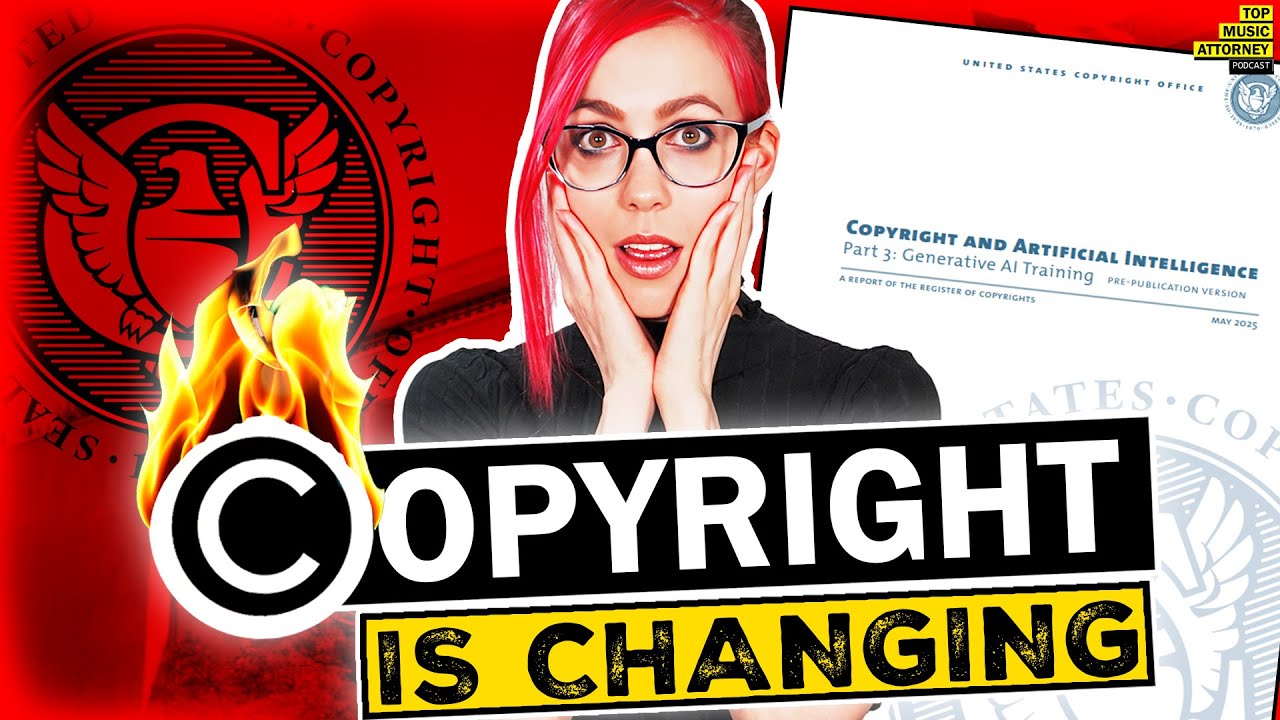
I just read about this huge legal case that got approved as a class action lawsuit against artificial intelligence companies. It seems like this is the biggest copyright related legal battle the AI industry has ever had to deal with. The court decided to let it move forward as a class action which means tons of people can join together in this lawsuit.
I’m trying to understand what this means for the future of AI development. Are these companies in serious trouble? How might this affect the way AI models get trained on data? Has anyone been following this story and can explain what the main copyright issues are here? I’m curious about whether this could change how the whole industry operates going forward.
Yeah, wild timing. We’ve been dealing with this at my company for months - most big tech firms saw it coming.
Basically, these AI models trained on massive datasets scraped without permission. Millions of books, articles, images, creative works. Companies said “fair use for research” while creators said “you’re making billions off our work without paying us.”
The scary part? Potential damages could be astronomical if they have to pay per work used in training. I’ve seen our legal team genuinely worried about the financial exposure.
The industry’s already adapting though. Some companies switched to licensed datasets or synthetic data - more expensive and slower, but legally safer. Others are betting on fair use, which is risky.
This case will reshape how we build AI systems. The wild west scraping days are over.
Expect way more partnerships between AI companies and content creators. Smart money’s on getting ahead of this legally rather than fighting it.
this might actually hurt creators too. if ai companies have to pay licensing fees for everything, they’ll only cut deals with big publishers who can offer bulk rates. smaller artists and writers could get completely locked out - their work won’t influence these models at all. seems like the opposite of what we’re trying to achieve for creators’ rights.
The real challenge isn’t just legal risk - it’s how manual and reactive companies are with compliance.
I’ve watched teams scramble to audit training datasets by hand, trying to figure out what’s licensed. It’s a nightmare with terabytes of data.
Smart move? Automate the whole compliance pipeline. Set up workflows that check licensing status, flag copyright issues, and route content through approval chains before it hits training sets.
Companies that survive this will build automated systems for content sourcing, licensing verification, and creator compensation at scale. Manual processes don’t work when you’re processing millions of items.
I use automation to create compliant training pipelines that track usage and generate compensation reports automatically. Way more sustainable than hoping fair use holds up in court.
This lawsuit’s forcing the industry to mature. Winners will automate their way to compliance instead of fighting it.
This class action certification is a significant development for the AI industry. It centers on the practice of AI companies using copyrighted materials, such as books and images, to train their models without proper licensing or compensation for creators. With the certification, numerous copyright holders can unite in this lawsuit rather than facing it individually, which could lead to substantial financial repercussions for these companies. Moving forward, firms will likely take greater precautions regarding their training data—some are already negotiating licensing agreements, while others are exploring the use of synthetic data. This situation may slow innovation temporarily, but it can pave the way for more ethical practices in the long run.