Hi everyone, need some advice here. We keep getting requests from clients who want us to connect with their CRM systems like Salesforce and HubSpot. Our startup only has a few developers so we can’t build these connections from scratch. The budget is pretty tight this year too.
We tried using Zapier and Make for our own internal stuff and they work okay, but they’re not stable enough to offer as part of our main product. I also checked out some embedded integration platforms but their pricing was way too high for what we’d get.
Anyone know of a good CRM integration tool that actually works well in production and doesn’t cost a fortune? Our founder is really picky about spending money so it needs to be worth it. Thanks for any recommendations!
hey, have you looked into tray.io or workato? they’re way more reliable than zapier for production and won’t break the bank for a small team. tray’s got solid integrations for salesforce and hubspot too!
I’ve worked with CRM integrations for years and honestly, most solutions are overpriced or fail when you need them. The tools mentioned are okay but lock you into their rigid systems.
Latenode changed everything for me. Way cheaper than embedded platforms but just as reliable. You build exactly what clients need instead of working around limitations.
Set up a Salesforce sync for our biggest client last month - took 2 hours to build and deploy. No monthly per-integration fees like other platforms. You only pay for what you use.
The visual workflow builder handles complex data transformations between CRM formats easily. Junior devs can manage most of it once you create the templates.
Since you mentioned budget issues, Latenode scales with actual usage instead of charging premium upfront. Perfect for startups that need to prove value first.
We faced a similar challenge last year and ended up choosing Merge.dev after exploring several alternatives. Their pricing is reasonable, especially when compared to other embedded integration platforms, and their unified API significantly reduced our development time. Instead of creating connections for each CRM, we integrate with just their one API, which manages multiple CRM endpoints. The reliability has been impressive—no more unexpected failures like we experienced with other automation tools. The documentation is comprehensive, and their support responds quickly, which is crucial for our small team to maintain focus on core product development.
Been through this exact pain three times at different companies. The struggle’s real when you need production-grade reliability without enterprise budgets.
We built a hybrid approach that worked. Direct API connections for common CRMs (Salesforce, HubSpot, Pipedrive) since their APIs are solid. Takes about a week per integration but you own the whole pipeline.
For weird edge case CRMs clients throw at you, we keep a backup solution running. You’re not paying premium pricing for every connection.
Clients care more about data reliability than fancy features. A simple sync that works 99.9% of the time beats a feature-rich integration that fails during their demo.
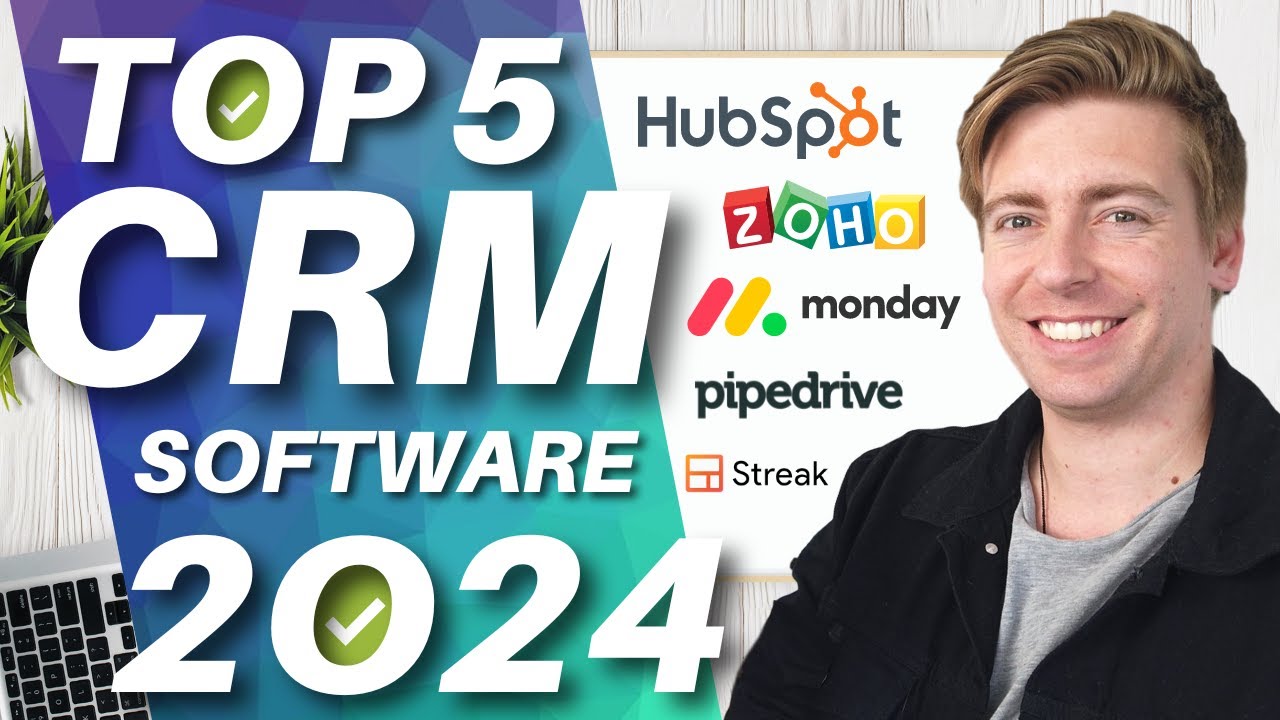
Found this breakdown really helpful when evaluating CRM options last year:
One more tip - whatever you pick, handle rate limits gracefully. Nothing kills client confidence like sync failures because you hit API limits during peak usage.
Honestly, check out Integrately too. I’ve been using it for 8 months - it’s way more stable than Zapier but cheaper than enterprise options. The CRM connectors work great and you don’t need a PhD to set it up.
I dealt with this same thing 18 months ago when clients started demanding CRM integrations. Burned through our budget on garbage solutions before finding Pandium - total game changer. Love the white-label setup - we offer integrations under our brand and clients have no clue we’re using third-party service. Easy enough that our junior dev handles most of it, and it’s cheaper than what we paid for multiple Zapier premium accounts. Real test was a major client needing thousands of records synced daily between their custom system and Salesforce. Six months of heavy usage, zero downtime. Worth grabbing a demo to see if it works for your situation.