I’ve noticed that the same workflow is being shared again, and this time it’s from the same individual within just a week. It seems like this workflow was lifted from another source without proper acknowledgment.
I’ve also seen similar content posted by different individuals on LinkedIn on the same date, which raises questions about originality and credit. It’s frustrating to see a common workflow being claimed as original by multiple users as if they created it themselves.
Wouldn’t it be more appropriate to say ‘I discovered this workflow’ instead of ‘I created this workflow’? That way, the original creator gets the recognition they deserve. What are your thoughts on this matter?
Yeah, this is a real problem on professional platforms. Same thing happened to me - I built a project management workflow and saw it pop up on three different profiles within days. All three claimed they created it. It’s disrespectful to the original creator and makes the whole platform look bad. What bugs me most? How simple it’d be to just write “adapted from” or “inspired by.” People actually respect honesty more than fake originality claims. Maybe platforms need better ways to track content ownership, though I’m not sure how they’d pull that off practically.
for real! it’s so frustrating to see my work getting wrecked like that. people need to understand that just copying things can lead to such chaos down the line. proper credit and context matters, otherwise the blame game just ruins reputations.
Content plagiarism drives me nuts, especially when entire automation workflows get copied word-for-word. We see this constantly in engineering - people lift code snippets or system designs without giving credit.
The real problem? These workflows have specific context and dependencies that don’t work when you just copy-paste them. I’ve watched teams implement “borrowed” processes that completely break because they missed crucial setup steps or environmental factors that weren’t obvious.
What really gets me is when someone presents a workflow as their own creation in meetings. It becomes obvious fast when they can’t explain the logic or troubleshoot issues.
Your suggestion about using “discovered” language is perfect. Even better - link back to the source so people get the full context and updates.
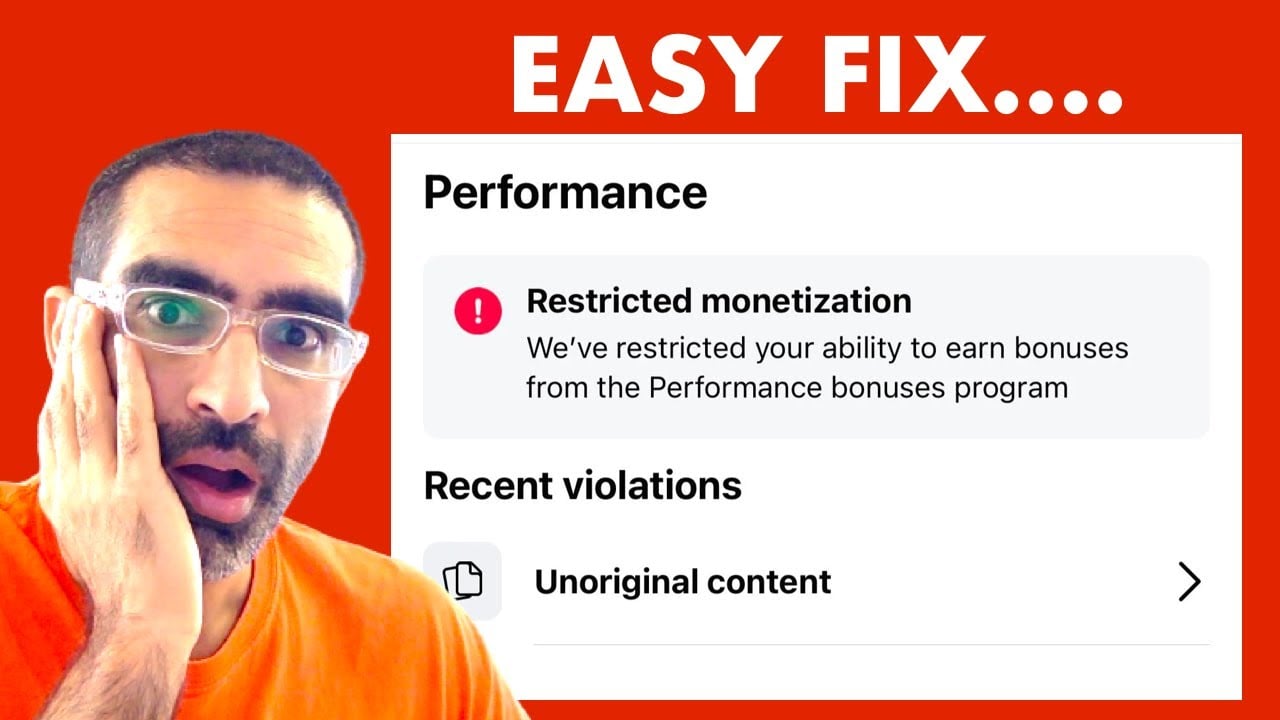
If you’re dealing with content theft on Facebook or LinkedIn, there are practical steps to protect your work and handle violations.
Honestly, the platforms need better detection systems. We have tools that spot code similarities in pull requests - why can’t social platforms do the same for workflows?
Getting your workflow stolen hits different when it’s happening to you. Someone took my deployment automation from a conference presentation and pitched it as their own solution to a major client.
The worst part wasn’t losing credit - it was watching them screw up the implementation. They completely missed the critical error handling and recovery steps that weren’t in my slides. Their system crashed hard during peak traffic.
This stuff spreads fast once it’s out there. One person copies it wrong, ten others copy their broken version. Now you’ve got this mutated workflow causing problems everywhere with your name on the original.
I watermark everything I share now. Nothing fancy - just comments with creation date and my handle embedded in the logic. Makes it obvious when someone copied without understanding.
The language changes you mentioned are smart but won’t stop the real thieves. They know they’re stealing credit and don’t care until it backfires.
The bigger issue is these workflows contain business logic for specific environments. Copying without context is like taking half a recipe and wondering why your cake doesn’t rise.
Had this exact problem and it made us completely overhaul workflow sharing at my company.
People kept grabbing automation snippets from social media, then wasting days trying to get them working. Half the workflows were missing key pieces or had dependencies no one bothered mentioning.
Attribution’s just the start though. Copy a workflow without understanding it and you can’t maintain or adapt it later. I’ve watched entire projects crash because someone built on code they didn’t get.
We fixed it by ditching social media posts for actual workflow management. Now we use Latenode for building and sharing automations internally. Every workflow includes full context, dependencies, and version history.
Best part? When someone modifies a workflow, it branches off while keeping the original untouched. No more broken copies or mystery code floating around.
Cuts debugging time way down and people actually want to share their work since they know it won’t get mangled.
This happens way too often in professional settings. I see it all the time in my field - people recycle complex processes without crediting where they came from. What bugs me most is how it makes someone look like an expert or innovator when they’re just copying someone else’s work. They’re building their reputation on borrowed intellectual labor. There’s a practical downside too - without proper attribution, you can’t trace back to the original source when you need updates or fixes. Your idea about saying ‘discovered’ instead of ‘created’ is perfect. It’s honest but still lets people share useful stuff they’ve found.
for real! it’s super frustrating to see ppl taking credit for others’ work. just say where you found it, it ain’t that hard. sharing is cool, but honesty is key for sure!
This workflow copying mess drives me crazy - such a waste of time debugging broken automations.
Happens at work constantly. Someone grabs a workflow from LinkedIn, dumps it in their system, then freaks out when it breaks. They’re missing half the setup because the original creator didn’t share everything.
Better attribution won’t fix this. We need platforms that actually make sharing workflows simple and trackable.
That’s why I moved our team to Latenode. When you share a workflow, it includes all dependencies and configurations. People see exactly how it works and can modify it without breaking stuff.
Latenode also tracks workflow versions and sources automatically. No more guessing where something came from or if you’ve got the latest version.
Skip the broken social media snippets. Build it right from the start. Way less headache.
This workflow plagiarism thing shows how messy intellectual property gets online. Attribution rules are all over the place - what works on GitHub won’t fly on LinkedIn, so nobody knows what’s actually expected.
Legally, most workflows sit in gray areas unless there’s actual proprietary code involved. Platforms mostly let communities police themselves instead of catching this stuff automatically, so enforcement is hit-or-miss. Usually only gets flagged when the original creator spots it and complains.
The credibility hit works both ways though. People who constantly copy without credit get a reputation for it, especially in tight professional circles. Their expertise gets questioned when they can’t explain how something actually works or tweak it for different situations.
Your discovery language idea makes sense, but we really need a culture shift around knowledge sharing vs. personal branding. Some companies now make people document sources for any shared processes, which definitely helps with accountability.
Been there. Our team’s automation framework showed up in a competitor’s product demo after they reverse-engineered it from a tech talk. They literally presented our work as their “innovative solution.”
Workflow theft usually exposes itself though. During their demo, they couldn’t explain why certain steps existed or handle edge cases. Anyone technical could tell they were just reading a script.
What bugs me most is how this kills genuine innovation. When everything gets copied without context, you can’t tell original work from recycled junk.
The networking angle makes it worse. Copied workflows often get more visibility than originals because copiers have bigger networks or better marketing. The actual creators get buried.
You’re right about the discovery vs creation language thing. We need stronger community standards for sharing technical content. Maybe requiring creation timestamps or source references on workflow diagrams as standard practice.