I’m working on a project that compares different approaches for solving Sudoku puzzles. My plan is to test various artificial intelligence and machine learning techniques against a basic brute-force solution.
The main challenge I’m facing is how to properly measure execution time for each method. I want to make sure my benchmarking works consistently across different computers with varying hardware specs.
What would be the most reliable approach to time these algorithms in Java? I’m looking for something that gives fair comparisons regardless of whether it runs on a fast or slow machine.
jmh is the way to go! it’s made for java and automatically warms up, giving u solid results. much better than using currentTimeMillis or nanoTime to compare algorithms!
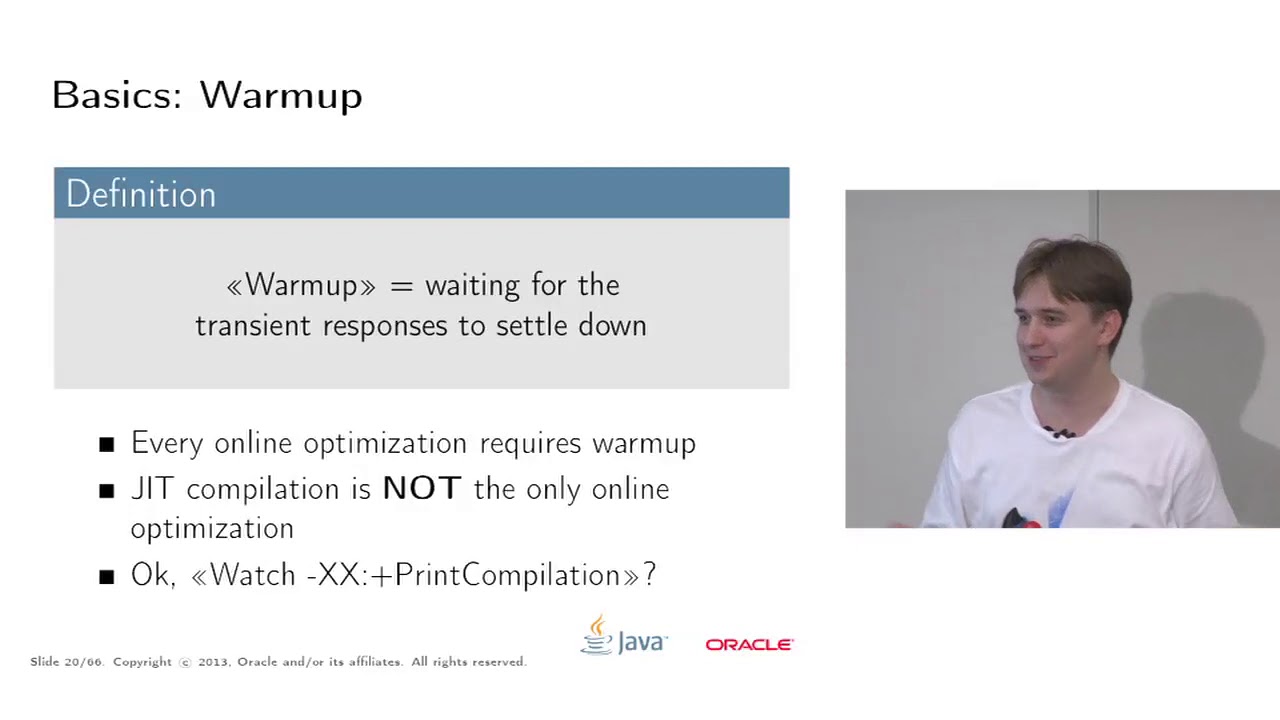
System.nanoTime() with good statistical analysis works great for comparing algorithms. Run each test multiple times and use median values instead of averages - outliers won’t mess up your results. Always do a warmup phase first, running each algorithm several times so the JVM can optimize the bytecode. I always throw out the first few runs completely. Consider running tests in separate processes so different implementations don’t interfere with each other. For results that work across different systems, compare the performance ratios between your methods rather than looking at absolute execution times.
Profilers are underrated but perfect for this stuff. VisualVM ships with the JDK and shows exactly where your algorithms spend time, plus memory patterns.
When I compared pathfinding algorithms, timing alone was misleading. The profiler caught that my “faster” algorithm was spawning tons of temp objects, triggering GC pauses that basic timing missed completely.
For consistent results across machines, normalize against a reference benchmark. Run some standard computation alongside your Sudoku tests and express performance as multiples of that baseline. Way better than absolute times when hardware varies.
Don’t forget memory usage. Some AI approaches might be quicker but eat way more RAM, which matters for real applications.
Performance testing is a pain with different environments and complex setups. I’ve dealt with this countless times doing algorithm comparisons.
Skip the JMH configuration headaches and statistical analysis - just automate everything. Set up automated runs across multiple cloud instances with different specs. You’ll get real data from various hardware without the manual grunt work.
Automate the data collection and analysis too. Pull timing results, calculate ratios, generate reports - hands off. Did this for ML model comparisons and saved weeks.
For your Sudoku project, spin up different instance types and let your brute force vs AI methods run automatically. You’ll get comprehensive performance data across the board.
Latenode handles this workflow automation perfectly. Orchestrates the entire pipeline from deployment to analysis.
After years of benchmarking algorithms at work, I’ve learned that context switching and background processes will destroy your measurements no matter what tools you use.
Here’s what saved me tons of debugging time: turn off dynamic frequency scaling on your test machines. CPUs constantly change clock speeds based on load and temperature, making algorithm comparisons a nightmare.
For your Sudoku project, run longer test scenarios instead of timing individual solves. Have each algorithm crunch through hundreds of puzzles in batches, then measure total time. This smooths out JVM warmup issues and system noise.
Check out this deep dive on JVM benchmarking:
Covers gotchas that even experienced devs miss when measuring performance.
Don’t forget garbage collection pauses - they’ll skew your AI/ML timings way more than brute force since ML allocates more objects.