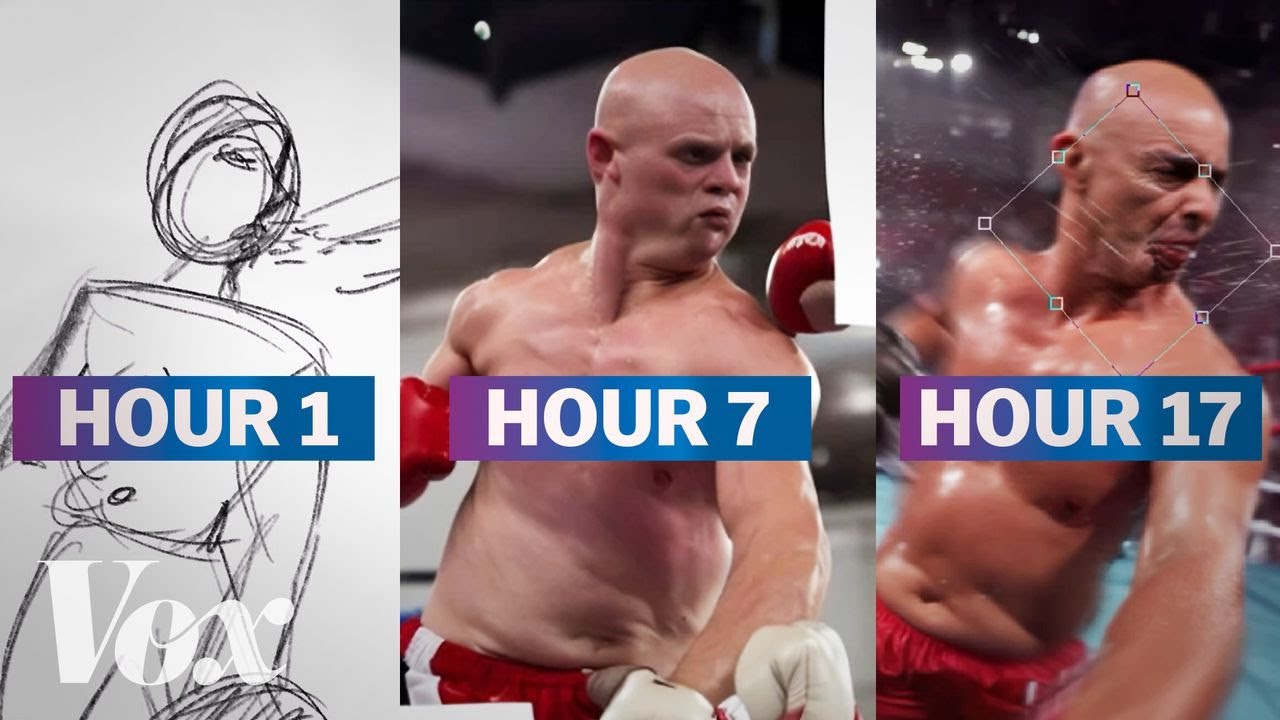
I keep running into this weird pattern when talking about AI artwork with people who don’t like it. Most people against AI think it’s just typing a few words and getting instant art. But when someone who actually uses AI explains their real process - the planning, iterations, fine-tuning, post-processing - the conversation just dies. Or they change the subject completely. I haven’t met anyone who dislikes AI art but actually understands the advanced techniques involved. They make judgments without knowing what they’re criticizing. The frustrating part is they call AI users lazy while refusing to learn anything about how these tools actually work. You don’t have to use AI yourself, but how can you have strong opinions about something you won’t even try to understand? It feels like arguing with someone about a book they never read. They want to control and judge something they deliberately stay ignorant about.
People don’t want their complaints to turn into actual work.
I’ve automated tons of workflows artists use every day. Someone complains about “lazy AI users” but won’t spend 10 minutes learning ControlNet or LoRA training? They’re showing their hand. They want outrage, not effort.
Same thing at work with automation systems. People love complaining about inefficient processes until they realize the solution means learning something new. Suddenly everyone’s busy.
Here’s what’s wild - better tooling could fix this. Don’t expect critics to manually research complex AI workflows. Automate the education process. Build systems that show the real complexity through interactive examples. Let them see prompt iteration cycles, parameter tweaks, post-processing steps.
Make it impossible to claim ignorance when learning is streamlined.
I’ve done this with stakeholders who complained about our dev processes. Built automated demos walking through the actual complexity. Once they see what really happens, complaints shift from “this is too simple” to constructive feedback.
Conversations die because manual education sucks. Automate it right and everyone gets on the same page.
You can check out more here: https://latenode.com
This happens everywhere online, not just with AI art. People get fired up about something they barely understand, then vanish when you bring up actual technical stuff. Classic cognitive dissonance - they’ve already decided AI art sucks, so anything that messes with that story gets tossed out. Same thing happens with photographers who think digital editing is cheating, or musicians who hate electronic instruments. The real problem? Critics want their moral high ground to stay nice and simple. Show them workflow complexity, creative choices, or actual skill involved, and suddenly they drop the technical arguments and go pure emotional. They’re not critiquing the process anymore - they’re just protecting their gut reaction.
They avoid acknowledging the complexity because it kills their whole argument. If they admitted AI art takes skill, planning, and technical know-how, they’d have to rethink their ‘it’s just automated theft’ stance. Way easier to stay outraged when you can pretend it’s just button-pressing. The second you bring up prompt engineering, model training, or iteration cycles, their black-and-white story crumbles. They dodge these conversations not because they don’t know better, but because facing reality means they’d need a smarter critique. Most people want simple answers that back up what they already believe, not complex ones that mess with their worldview.
Been dealing with this for years at work. People love having strong opinions until you ask them to actually dig deeper.
Once I start explaining the real workflow - prompt engineering, controlnets, inpainting, model selection - their eyes glaze over. They realize they’d need to invest time understanding what they’re criticizing.
Same pattern I see when non-tech folks complain about our software decisions. They want simple answers but get uncomfortable when real complexity shows up. Much easier sticking with “AI bad” than learning about latent diffusion models and training datasets.
The irony? Understanding the process doesn’t mean you have to like the output. You can know exactly how something works and still have valid concerns. But that requires intellectual honesty.
Most people just want to feel right without doing homework. Show them there’s actual depth involved and they bail because it threatens their oversimplified worldview.
yea exactly! some peeps would rather stick to their opinions than open up to the real process. it’s like they can’t handle the idea that there’s more to it than just typing a few words. sad really.