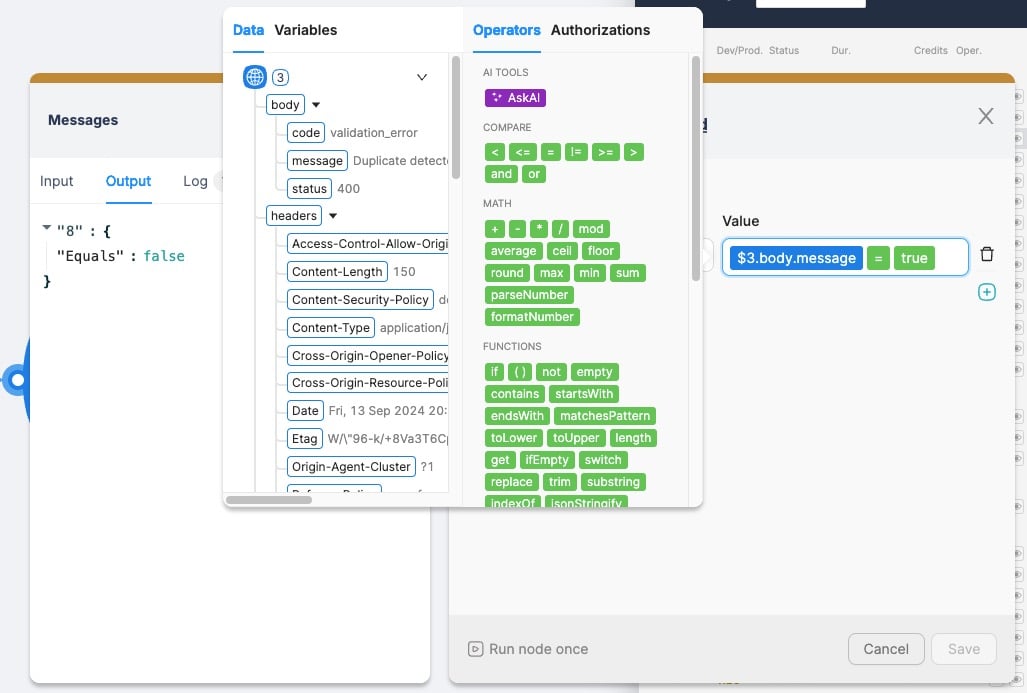
There is a value so it should evaluate to truthy.
1 Like
Hi there
It is because string value doesn’t equal to boolean TRUE
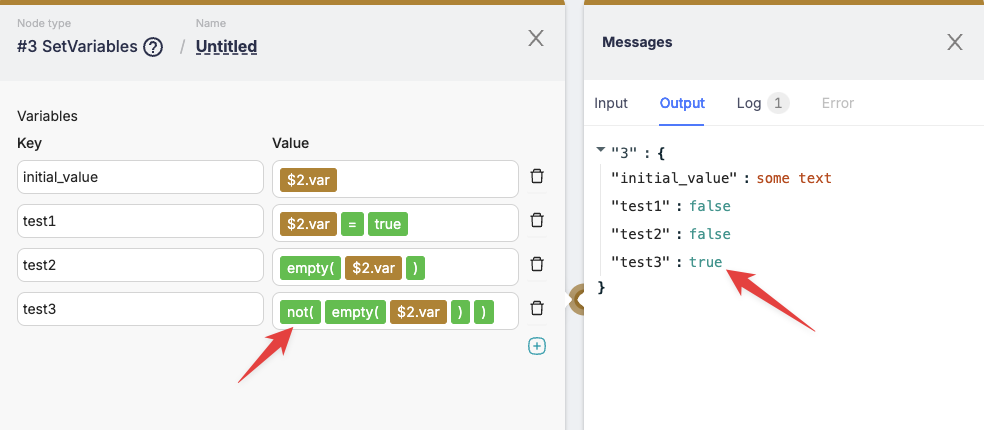
You could check with this: not(empty(value))
2 Likes
The Problem: The original forum post discusses a purported leak of GPT-5 specifications from a GitHub repository. The poster is seeking validation of the leak’s authenticity and opinions on its potential impact on OpenAI’s marketing strategy.
 Understanding the “Why” (The Root Cause): The core issue isn’t about fixing a technical problem, but about assessing the credibility of leaked information and its implications. Many factors contribute to the uncertainty:
- The nature of online leaks: Leaks, especially in the tech industry, are frequently inaccurate, misleading, or entirely fabricated. The speed at which a page is removed from a public repository doesn’t automatically validate its authenticity. GitHub frequently removes flagged content for various reasons, not all of which indicate a genuine leak.
- OpenAI’s typical release practices: Large AI companies, such as OpenAI, generally maintain strict control over pre-release materials. The use of private repositories and controlled information dissemination makes accidental public leaks less likely.
- Motivations behind leaks: The motivations behind circulating misinformation are varied, including attempts to generate hype, discredit competitors, or simply spread confusion. Discerning the genuine from the fabricated requires careful analysis.
 Step-by-Step Guide: To evaluate the credibility of such leaks effectively:
- Source Verification: Critically assess the source of the alleged leak. Is it a reputable source known for accurate reporting? If it’s from an anonymous or unverified source, treat the information with extreme skepticism.
- Fact-Checking: Cross-reference the leaked information with other sources, especially official statements from OpenAI or reputable technology news outlets. Discrepancies or lack of corroboration strongly suggest a fabricated leak.
- Analysis of Content: Examine the leaked content itself. Does it seem plausible? Are the specifications realistic and consistent with current AI technology? Look for any inconsistencies, inaccuracies, or obviously placeholder data.
- Observing OpenAI’s Response: Monitor OpenAI’s official channels for any statements or announcements regarding the alleged leak. Their official response (or lack thereof) can provide valuable insights into its credibility.
- Considering the Timing: Evaluate if the timing of the leak aligns with typical pre-release patterns for this kind of product. A premature, overly detailed leak can be suspicious.
 Common Pitfalls & What to Check Next:
- Confirmation Bias: Be wary of confirmation bias. If you’re hoping the leak is real, you might be more likely to accept its validity without sufficient scrutiny. Maintain objectivity in your evaluation.
- Information Overload: Avoid basing judgments solely on cached versions or single sources. Many details from cached websites could be fabricated or misleading. Always look for multiple sources for verification.
- Speculative Analysis: Resist the urge to speculate about the impact of the leak until the situation’s authenticity is confirmed. Unconfirmed leaks often lead to unproductive discussions and misinformation.
 Still running into issues? Share your thoughts on the credibility of the leak, any additional details you found in your research, and the other sources you’ve consulted. The community is here to help!
1 Like
This topic was automatically closed 4 days after the last reply. New replies are no longer allowed.
This topic was automatically closed 24 hours after the last reply. New replies are no longer allowed.